Water Damage in a Rental Home
Water Damage in a Rental Home — What REZ Home Services Recommends Property Owners Do First
Virginia Beach, VA
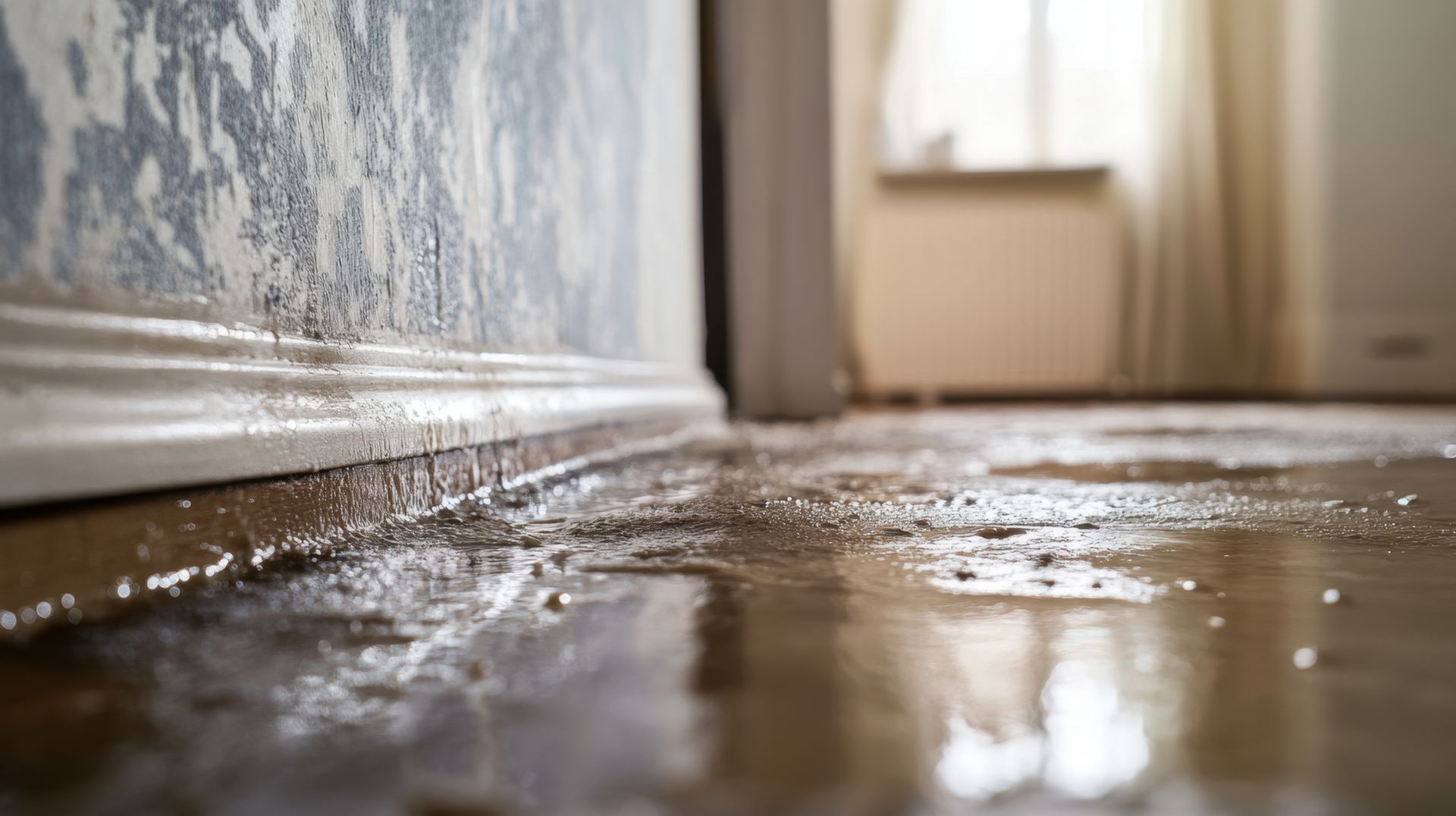
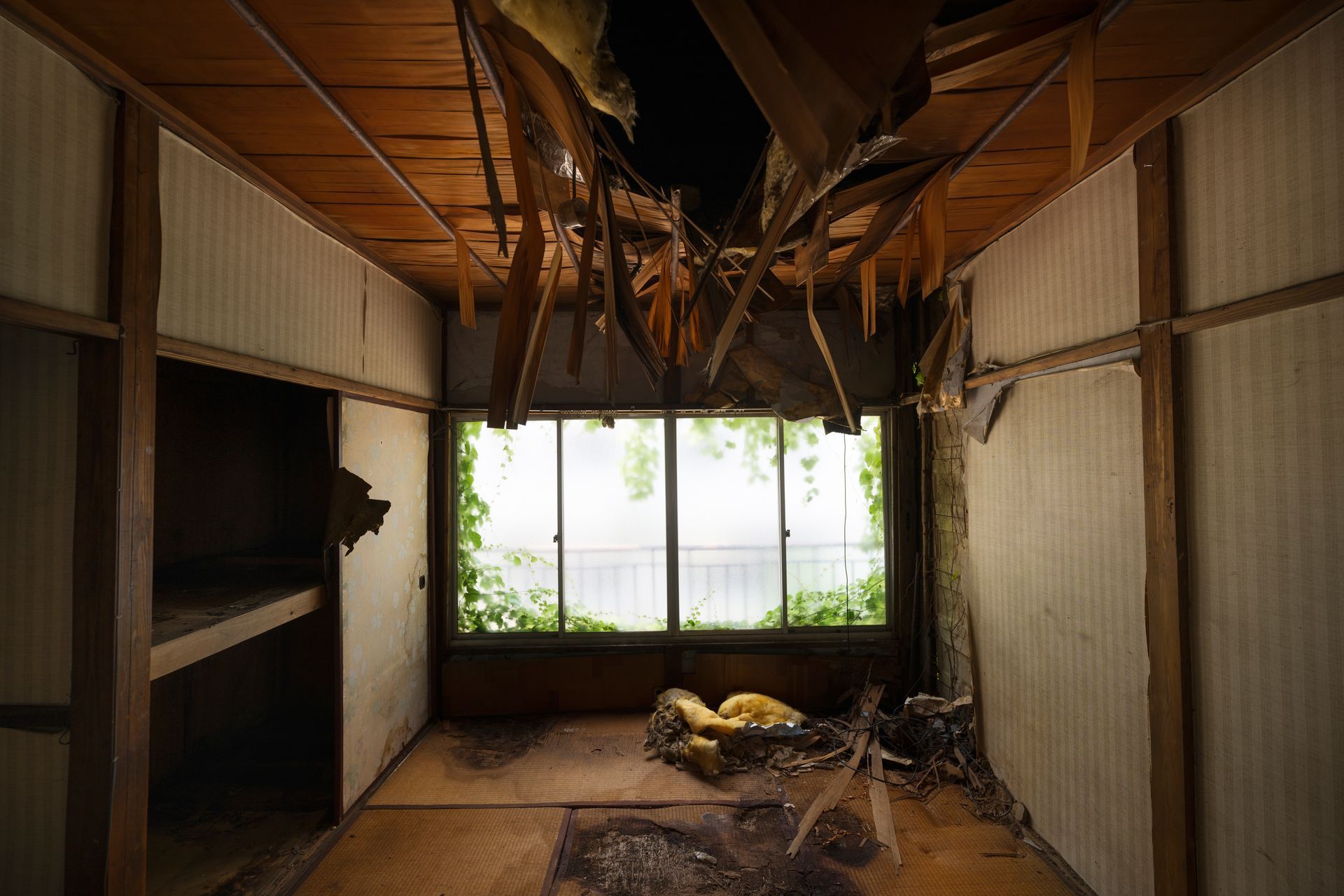
Water damage can take a rental property from “move-in ready” to “uninhabitable” in a matter of hours. A small supply-line leak can soak drywall and flooring overnight. A clogged drain can overflow during a tenant’s normal routine. And a storm can push water into basements, crawlspaces, or attic spaces before anyone realizes it. For rental owners, water damage isn’t just a repair problem—it’s a vacancy problem, a tenant-relations problem, and sometimes an insurance-claim problem too.
REZ Home Services helps rental property owners stay ahead of issues like water damage by focusing on fast response, clear documentation, and smart next steps that protect the home and minimize downtime.
Step 1: Stop the source of water damage (safely)
The first priority is stopping the water. If a tenant reports active water damage, the right move is to identify whether it’s:
- A fixture shutoff (toilet, sink, laundry box)
- A dedicated appliance shutoff (water heater, dishwasher, washing machine)
- The main home shutoff (when the leak is bigger or unknown)
If the water damage is near outlets, light fixtures, or a panel, power should be shut off to the affected area before anyone walks into pooled water. Safety comes first, and it prevents a stressful situation from becoming dangerous.
Step 2: Prevent water damage from spreading to adjacent rooms
Water doesn’t stay where it lands. It runs along subfloors, under baseboards, and into closets or neighboring units. Simple actions can limit spread:
- Move furniture and tenant belongings away from wet areas
- Place towels or barriers at doorways
- Use buckets to catch active drips
- Keep doors open to improve airflow (unless contamination is suspected)
This is not the time for “wait and see.” Delays make repairs bigger and more expensive.
Step 3: Document the water damage the right way
For rental property owners, documentation is a lifesaver—especially if insurance is involved. Ask for:
- Photos and short videos of the source and damaged areas
- A written summary of when the issue was discovered and what was happening
- Notes about any tenant actions taken (shutoff valve used, items moved, etc.)
REZ Home Services recommends keeping these records organized by property address so you can reference them quickly during repairs, vendor coordination, and any claim process.
Step 4: Understand why “it looks dry” isn’t the same as “it is dry”
One of the most common water damage mistakes is assuming things are fine once visible water is gone. In reality:
- Carpet padding can hold water like a sponge
- Drywall can wick moisture upward
- Subfloors can stay saturated under “dry” flooring
- Insulation can remain wet and slow down drying for days
That hidden moisture is what causes lingering odor, warped materials, and recurring damage. Proper drying is what protects the property long-term.
Step 5: Know when professional water damage restoration is the right call
For a rental property, water damage typically requires professional help when:
- Water reached walls, ceilings, or multiple rooms
- The leak ran for hours (or overnight)
- Flooring is buckling, swelling, or separating
- There’s a musty odor within 24–48 hours
- The source involves sewage or contaminated water
- It affected a basement, crawlspace, or shared wall
Professional water damage restoration includes moisture mapping, extraction, dehumidification, controlled drying, and verification that the structure is actually dry—not just “dry to the touch.”
Protecting rental income starts with protecting the structure
With rentals, the cost of water damage isn’t only materials and labor—it’s time off market. A fast, organized response can reduce demolition, shorten downtime, and keep tenant communication clear. REZ Home Services supports property owners by helping coordinate smart maintenance and response steps that prevent minor leaks from becoming major vacancies.